
AI Toys and Privacy: What Parents Should Ask Before Buying
AI toys are becoming more common, and for many parents the first question is not whether the technology is clever. It is whether it feels safe, understandable, and appropriate for family life.
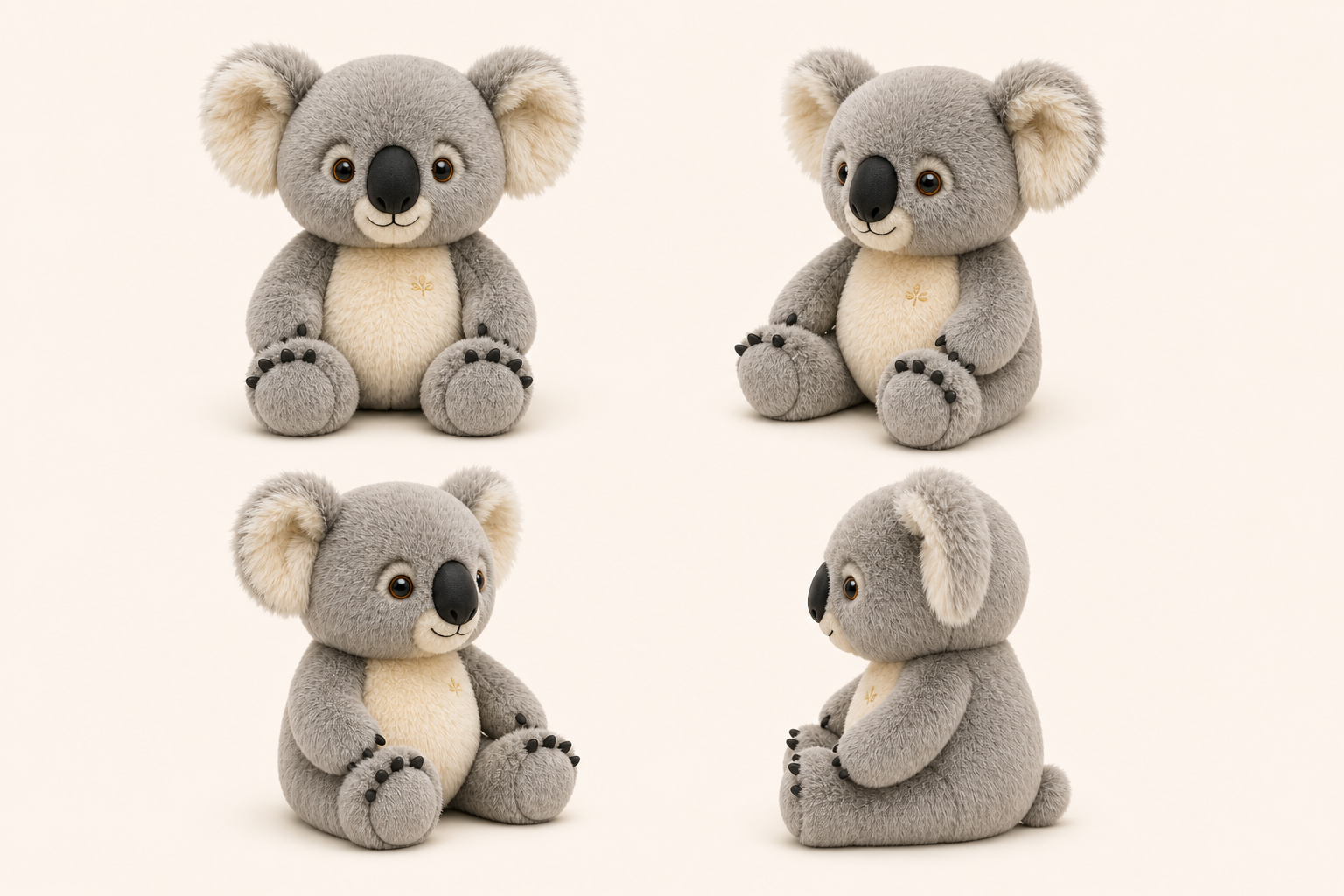
At Wattle & Kind, we believe privacy should be explained in plain language. Parents should not need to be engineers to understand how a connected companion may work, what data might be involved, and what choices they should have.
Below are practical questions families can ask before buying or joining an early pilot for any AI toy or connected plush companion.
1. Is the toy always listening?
This is one of the most important questions. Some connected products may listen for a wake word. Others may use a button or press-to-talk style interaction.
For many families, press-to-talk can feel clearer because the child or parent knows when the interaction starts. Koa is being planned around clear activation, not always-on background listening.
Parents can ask:
- Does the device listen all the time?
- Is there a wake word?
- Is there a physical button or clear activation step?
- Is there a visible or audible signal when the toy is active?
- Can listening or interaction be paused?
2. What information is collected?
AI toys may need some information to function, but parents should understand what that information is. A trustworthy product should explain data handling in plain language.
Parents can ask:
- Does the toy collect voice recordings, transcripts, account details, device data, or usage patterns?
- Is any information linked to a child profile?
- Is data used to improve the product?
- Can parents review, delete, or control information?
- How long is data kept?
3. Who controls the settings?
Children need age-appropriate experiences, and parents need control. Parent-aware settings can include quiet times, content boundaries, account controls, interaction limits, and simple ways to pause or disable features.
Parents can ask:
- Is there a parent account or setup process?
- Can parents set limits or boundaries?
- Can the toy be used without unnecessary features?
- Are controls easy to understand?
- Are settings explained before use?
4. What kind of conversations can happen?
The best AI toy experience should feel gentle, bounded, and age-aware. Parents should understand whether the toy tells stories, answers open-ended questions, supports calm routines, or responds freely to anything a child says.
Parents can ask:
- What topics are allowed or avoided?
- Is the tone child-friendly?
- Does the toy avoid medical, therapy, legal, or unsafe advice?
- Can parents understand or shape the experience?
- Are there safeguards for sensitive topics?
5. Is the product for play, comfort, or care?
It is important to separate companionship from supervision or therapy. An AI plush may support stories, imagination, calm routines, or quiet play, but it should not replace adult supervision, medical advice, therapy, childcare, or emergency support.
Parents can ask:
- What is the product not meant to do?
- Are the limits clearly stated?
- Does the brand avoid overpromising learning, emotional, or developmental outcomes?
- Are parents reminded to stay involved?
6. What happens if the internet is unavailable?
Connected toys may work differently depending on internet access. Some features may require cloud processing, while others may work locally or not at all.
Parents can ask:
- Does the toy need Wi-Fi?
- What works offline?
- What happens if the connection drops?
- Can the toy be safely turned off?
7. How are updates handled?
AI products may change over time. That can be useful, but parents should know how updates work and whether settings, behaviour, or privacy terms may change.
Parents can ask:
- Are updates automatic?
- Will parents be notified about major changes?
- Can parents review new settings?
- Does the company explain changes clearly?
8. Are safety and age guidance confirmed?
For plush toys with electronics, privacy is only one part of the trust picture. Families should also look for age guidance, materials information, battery safety, charging instructions, and care guidance.
Parents can ask:
- What age range is the product designed for?
- Are small parts, batteries, and charging handled safely?
- Can electronics be removed before cleaning?
- Are materials and compliance details clearly explained?
How Wattle & Kind is thinking about Koa
Koa is still in early development, so we are being careful with claims. Our current direction is a gentle, screen-free plush companion shaped around calm routines, parent-aware interaction, privacy-conscious design, and clear activation rather than always-on listening.
Product details, privacy settings, safety guidance, age range, and availability may change before any pilot batch. We will continue to explain those decisions in plain language as Koa develops.
A simple parent checklist
Before buying or joining an AI toy pilot, ask:
- Is it always listening?
- What data is collected?
- What can parents control?
- What topics can the toy discuss?
- What does the product clearly not do?
- What works offline?
- How are updates handled?
- Are age, battery, and safety details confirmed?
Final thought
AI toys should not ask families to trade trust for novelty. For parents, the most important technology is often the kind that feels understandable, calm, and respectful of family boundaries.
Explore Wattle & Kind
If you are comparing AI toys for your family, you may also want to:
- Meet Koa, our first Wattle & Kind companion in early development.
- Join the Founding Families Waitlist for pilot updates and family feedback opportunities.
- Read about Privacy & Safety.
- Read the Koa FAQ.